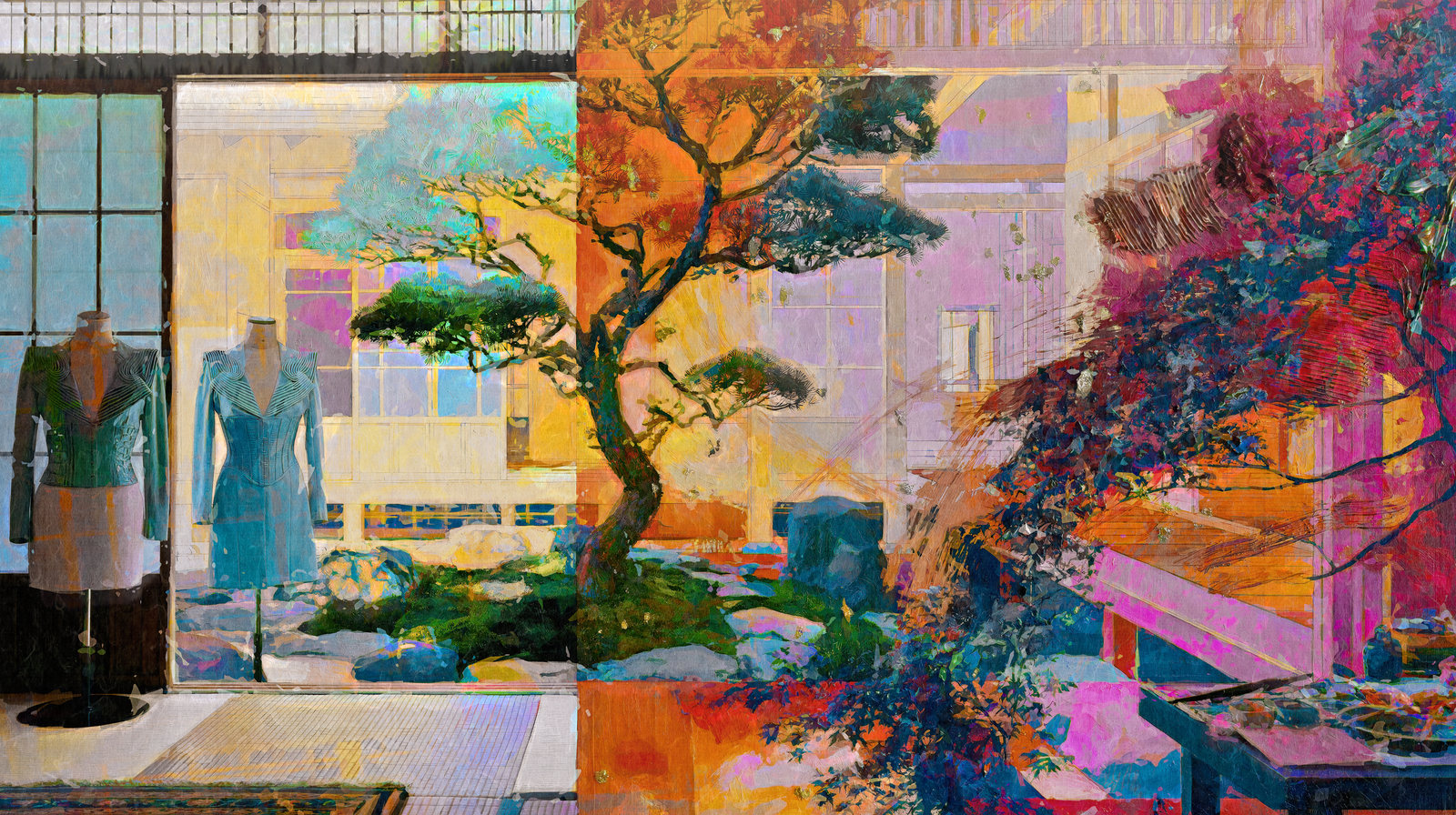
TORSO No.0012026 90 × 50.38 cm
ステートメントStatement创作自述
Images about looking and the trouble with wanting.
見ることと、欲しがることの厄介さについて。
关于观看,以及“想要”的麻烦。
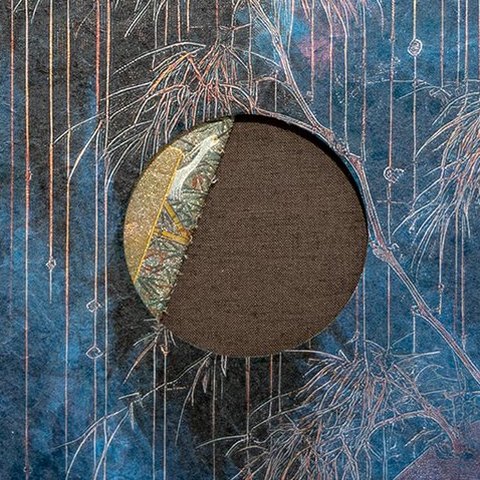
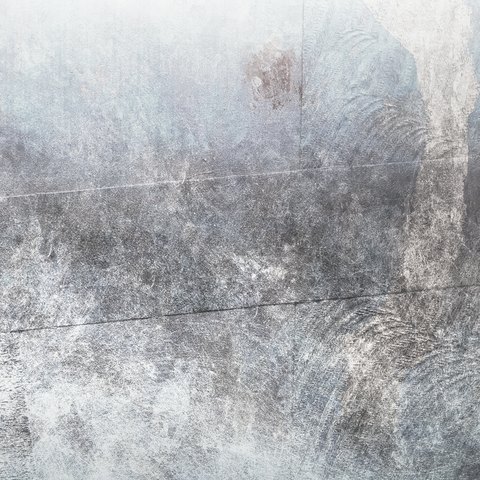
いま、二つのシリーズを作っている。TORSO は、服を着せて見せるための頭のない体、トルソーを置いた絵のシリーズだ。どの絵も、AIで作った一枚の画像から始まり、作るあいだ何度もその画像に戻ってくる。画像から結晶の面のような角ばったかけらを作り、元の画像に重ねる。そこに絵具のシミュレーションで水を引き、画面を傾けて、絵具を流す。結晶のかけらは動かない。流れた絵具は、思いどおりにはならない。流れたあとを見て、どこを残すかを決め、また元の画像に重ねる。トルソーは、その中に立っている。
トルソーは、ジャンポール・ゴルチエから来ている。ゴルチエのクリエイション(服やショー)を見て、自分が本当に作る側の人間だと知った。二十歳で着るようになると、ゴルチエを取り扱う正規店にまるで飲み屋に通うように足を運び、店長や店員と衣服の談議に花を咲かせた。そこにはいつも、欲しい服を着たトルソーが立っていた。いま、トルソーは「ただそこに在るもの」、私にとっての「動かない実在」だ。
もう一つの DRIVER’S SEAT は、運転席から見た景色のシリーズだ。運転しているあいだは、外と、バックミラーと、サイドミラーを見ている。見ていないと危ないからだ。だから、自分で運転して見た景色は、体ごと覚えている。運転席から見た景色は、頭の中に像を残していく。まだ言葉にならない像だ。その像を、絵にしていく。
車は、物心ついた頃から欲しかった。高校のとき、映画でボンドカーのアストンマーティンを見てからは、ずっと「いつかはアストン」だ。空気の流れには要らないところまでボディーラインにこだわっていて、その線は、ゴルチエの服を貫くエレガントなラインとつながっている。教習所の、何の特徴もない、何にでもなれる車は、頭の中ではアストンマーティンだった。本物を運転させてもらったら、普通にいい車だった。ただ、運転席からの視界は驚くほどクリアだった。いま欲しいのは、あの視界だ。
思いどおりにならないものを見て、何を残すかを決める。二つのシリーズは、どちらもそうしてできている。2021年からは、UVプリンターを筆にして、本物の帯や着物や和紙に「絵画」を刷り、印刷に立ち会って、刷り損じがミスか味かをその場で決めた。見る人は、それを絵画と呼んだ。形にしたくて、刷ってきた。けれど、刷って「できた」と思った次には、「できてなんかいない」と思う。
いまの作品の実体はデータで、原寸は制作中に見ている画面の実寸だ。離れて見ればトルソーの立つ部屋や運転席から見た景色が見え、近づくと全体は分からなくなって、かけらや流れのあとが見えてくる。基本的に刷らない。欲しい人がいれば、部数を限って和紙に刷り、筆で署名を入れる。紙に刷っても、全部が見えるようになるわけではない。
見えていると思っているものを、本当に見ているのか。
I am making two series now. TORSO is a series of pictures in which I place a torso, the headless body used to put clothes on and show them. Every picture begins with a single image made with AI, and as I work, I keep returning to that image. From the image I make angular fragments, like the faces of a crystal, and lay them over the original image. Over this, in a paint simulation, I lay down water, tilt the picture, and let the paint flow. The crystal fragments do not move. The paint that flows will not go as I intend. I look at what the flow has left, decide what to keep, and lay it over the original image again. The torso stands in the midst of it.
The torso comes from Jean Paul Gaultier. Seeing his creations — the clothes and the shows — I knew I was truly one of those who make. When I started wearing Gaultier at twenty, I kept going to an authorized Gaultier shop the way a regular goes to a bar, and had long, lively talks about clothes with the manager and staff. There was always a torso standing there, wearing the clothes I wanted. Now the torso is “something simply there” — for me, “a motionless presence.”
The other, DRIVER’S SEAT, is a series of views from the driver’s seat. While I drive, I keep looking outside, at the rear-view mirror and at the side mirrors, because it is dangerous not to. So what I see when I drive, I remember with my whole body. The views from the driver’s seat leave an image in my head, one that has no words yet. I go on making that image into pictures.
I have wanted cars for as long as I can remember. Ever since I saw the Bond car, an Aston Martin, in a film in high school, it has been “Someday, an Aston.” Its body lines are worked with care even where the airflow has no need of them, and those lines connect to the elegant line that runs through Gaultier’s clothes. At driving school, the car I learned in — plain, without a single feature, able to become anything — was an Aston Martin in my head. When I got to drive a real one, it was simply a good car. But the view from the driver’s seat was astonishingly clear. What I want now is that view.
I look at what will not go as I intend, and decide what to keep. Both series are made this way. From 2021 on, using a UV printer as my brush, I printed “paintings” onto real obi, kimono and washi, stood beside the printer, and decided on the spot whether each misprint was a mistake or character. Viewers called them paintings. I wanted to give the image form, so I kept printing. But each time I print and think, “It’s done,” the next moment I think, “It isn’t done at all.”
My work now exists as data, and its full size is the actual size of the screen I look at while I work. From a distance you see the room where the torso stands, or the view from the driver’s seat; come closer and you can no longer make out the whole, and fragments and the traces of flow come into view. As a rule, I do not print. If someone wants one, I print a limited edition on washi and sign it with a brush. Printing it on paper does not let you see it all.
Are we really looking at what we think we see?
现在,我在做两个系列。TORSO,是在画中放置人台(为了穿上衣服给人看的、没有头的身体)的系列作品。每一幅画,都从一张用AI做出的图像开始,制作过程中又一次次回到那张图像。我从图像中做出像结晶的面一样棱角分明的碎片,叠在原来的图像上。再用颜料模拟在上面铺水,倾斜画面,让颜料流动。结晶的碎片不会动。流下的颜料,不会如我所愿。看着流过的痕迹,决定留下哪里,再叠回原来的图像上。人台,就立在其中。
人台,来自让·保罗·高缇耶(Jean Paul Gaultier)。看到高缇耶的创作(服装与时装秀),我才知道自己真正属于创造的那一方。二十岁开始穿高缇耶之后,我就像常去小酒馆一样,往经营高缇耶的正规店里跑,和店长、店员聊衣服,聊得兴致勃勃。那里总立着一个人台,穿着我想要的衣服。如今,人台是“只是在那里的东西”,对我而言,是“不动的实在”。
另一个系列 DRIVER’S SEAT,画的是从驾驶座看到的景色。开车的时候,我一直看着窗外、车内后视镜和两侧的后视镜,因为不看就会有危险。所以,自己开车时看到的景色,是用整个身体记住的。从驾驶座看到的景色,会在脑海里留下影像,那是还无法化为语言的影像。我把那影像,一幅一幅地画出来。
我从懂事起就想要车。高中时在电影里看到邦德驾驶的阿斯顿·马丁之后,就一直念着“总有一天要拥有阿斯顿”。它的车身线条,连空气动力上不需要的地方都极为讲究,而那些线条,与贯穿高缇耶服装的优雅线条相通。驾校里那辆毫无特征、能变成任何东西的车,在我脑海里就是阿斯顿·马丁。后来有机会开了一辆真正的阿斯顿·马丁,它只是一辆普通的好车。只是,从驾驶座看出去的视野,清晰得惊人。我现在想要的,就是那片视野。
我看着不会如我所愿的东西,决定留下什么。两个系列,都是这样做出来的。从2021年起,我把UV打印机当作笔,在真正的腰带、和服与和纸上印“绘画”,守在印刷现场,当场判断每一处印坏的地方是失误还是韵味。看的人,把它们叫作绘画。我想让它成形,所以一路印了过来。可是,印出来觉得“成了”的下一刻,又会觉得“根本没成”。
如今,作品的实体是数据,原尺寸就是我创作时所看屏幕的实际尺寸。远看,能看到人台所立的房间,或从驾驶座看到的景色;走近,就看不清整体了,碎片与流动的痕迹渐渐显现。原则上我不印。如果有人想要,我会限量印在和纸上,并用画笔签名。即使印在纸上,也不意味着就能看见全部。
以为自己看见的东西,我们真的在看吗?

続けて読むRead on继续阅读
- はじまりBeginnings缘起なぜ「見る」なのかWhy looking为什么是“看”
- 記録Record记录1995年からSince 19951995年起
- 読みものWriting文章制作のなかで考えたこと、交わした会話 note(別のサイト)From the making · note (another site, Japanese)创作中的思考与对话 note(另一个网站,日文)
作品Works作品
いまのシリーズCurrent series现在的系列
トルソーは、服を着せて見せるための、頭のない体。ゴルチエの店には、いつもトルソーがあった。欲しかった服を着ていたものが、いまはただそこに在る。TORSO は、その動かない実在を絵の中に置いていく。
A torso is a headless body for putting clothes on and showing them. In the Gaultier shop there was always a torso. It once wore the clothes I wanted; now it is simply there. TORSO goes on placing that motionless presence in pictures.
人台,是为了穿上衣服给人看的、没有头的身体。高缇耶的店里,总立着一个人台。它曾穿着我想要的衣服,如今只是在那里。TORSO,把这种不动的实在,一幅一幅地放进画里。
運転席は、自分で運転する人の席。車は、物心ついた頃から欲しかった。いまも「いつかはアストン」だ。運転席から見た景色は、体ごと覚えている。DRIVER’S SEAT は、その景色が頭の中に残していった像を、絵にしていく。
The driver’s seat is the seat of the one who drives. I have wanted cars for as long as I can remember, and it is still “Someday, an Aston.” What I see from the driver’s seat, I remember with my whole body. DRIVER’S SEAT goes on making pictures of the images those views leave behind in my head.
驾驶座,是自己开车的人坐的位置。我从懂事起就想要车,现在依然念着“总有一天要拥有阿斯顿”。从驾驶座看到的景色,是用整个身体记住的。DRIVER’S SEAT,把那些景色在脑海中留下的影像,一幅一幅地画出来。
欲しい人へIf you want one致想要的人 見つづけたい人へIf you want to keep looking致想继续看下去的人
これまでEarlier此前